Best Freezer Meals for Elderly Parents (What to Actually Order or Skip)
Before you order anything, the real question isn't which service has the best reviews. It's whether your parent's actual diet -- sodium, blood sugar, swallowing -- has been checked against the menu, and whether a free option would cover this without a subscription at all.
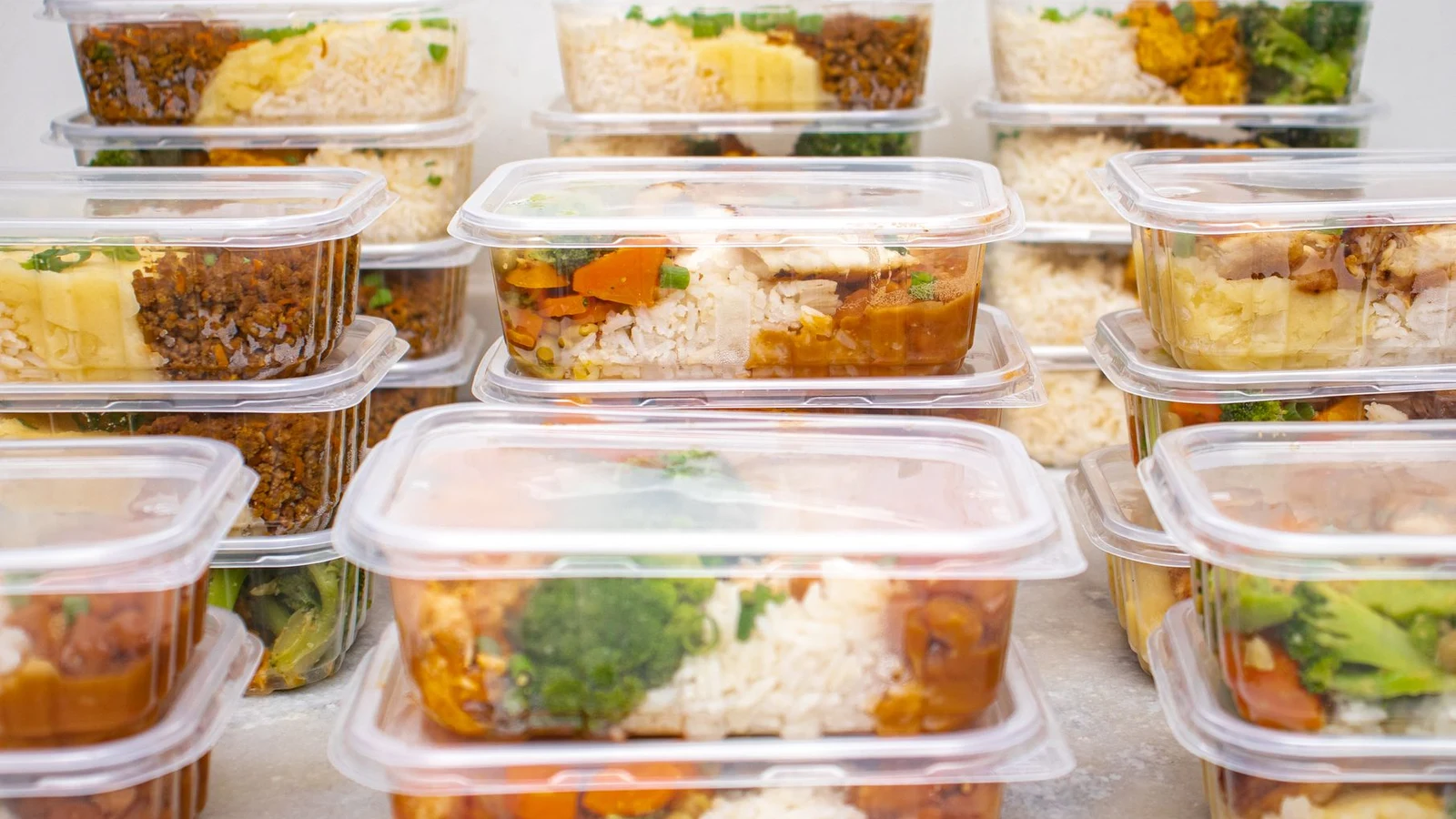
You're probably here because a visit went differently than expected: an empty fridge, a stove she's stopped using, a discharge nurse who mentioned "meal support" and moved on before you could ask what that meant. Or you're the one living alone and getting tired of the decision every single night. Either way, the internet's "best senior meal delivery" lists tend to blur every provider into the same soft-focus marketing copy. This one doesn't. It's built from what each provider states on its own diet and pricing pages, plus what USDA food safety guidance and the clinical literature on swallowing difficulty actually say -- because for this specific reader, getting the sodium number or the texture wrong is a bigger deal than it would be for anyone else in the house.
The short version: if a real medical diet is involved (low sodium, diabetic, dialysis, or a swallowing problem), check with the prescribing doctor or a dietitian before you order anything, then choose the provider whose stated numbers match that diet. If cost is the blocker, call your parent's Area Agency on Aging or Meals on Wheels program first -- it's donation-based, and a "no" on ability to pay is not a "no" on getting fed. Nobody here has been tested by TMF; every claim below is sourced to the provider's own pages or to USDA/clinical sources, cited at the bottom.
Start here: what's actually driving the search?
This decides which section below matters and which you can skip.
- A doctor mentioned a specific diet (low sodium, diabetic, renal/dialysis, heart-healthy): go straight to "Diets with a medical reason behind them" below. Confirm the exact numbers with the prescribing provider before ordering.
- Swallowing has become difficult (coughing during meals, avoiding certain foods, recent weight loss): this is a "call the doctor first" situation, not a "pick a meal plan" situation. See "If swallowing is the real issue" below.
- Cost is the actual obstacle: skip to "The free path" below before you look at any paid service.
- No medical restriction, just nobody cooking anymore: any of the paid options below will work; pick on price and menu variety.
Paid frozen and refrigerated meal delivery, compared honestly
These are subscriptions and one-time orders, not something Tired Mom Finds sells. Pricing and menu details come from each company's own current pages and were checked while writing this; confirm current terms directly with the provider before paying for anything.
Magic Kitchen -- best for ordering once, no subscription
Magic Kitchen ships frozen and does not require a subscription: you order what you need and there's no recurring charge unless you set one up. Most entrees run about $10 to $14 per meal, with bundled protein packages priced higher. It publishes several diet-specific lines by name: a Senior Diet built around 300-500 calories and lower sodium per meal, a Diabetic Friendly line holding 20-45 grams of carbohydrate per meal, a Low Sodium line under 700 mg (many meals under 500 mg), and a Dialysis Friendly line that limits sodium, potassium, and phosphorus together. It's also one of the few in this space that says outright you can call and ask whether a Medicare or Medicaid benefit applies to your order.
Consider this if: you want to place one order to test whether your parent will actually eat the food, without committing to anything recurring, or you need a dialysis-specific menu, which fewer competitors publish by name.
Skip it if: you want ongoing physician-level dietitian oversight rather than pre-built diet categories -- that's the next option.
Silver Cuisine by bistroMD -- best for physician-designed medical diets
Silver Cuisine is the senior-focused line from bistroMD, a company founded by a physician, and its diet plans are built around specific clinical thresholds rather than general "senior-friendly" marketing. The Heart-Healthy plan caps meals at 600 mg sodium and 3.5 g saturated fat; the Diabetic-Friendly plan holds each meal to 25 g or fewer net carbs. Meals are priced individually -- lunches and dinners from about $7.99 per serving, breakfasts from about $5.49 -- with a flat $19.95 shipping charge regardless of order size, so it's worth ordering enough at once to make that flat fee worthwhile. The menu rotates through 150-plus items.
Consider this if: a doctor has given your parent an actual number to hit (sodium, carbs, saturated fat) and you want a menu built around that number rather than a general "healthy" label.
Skip it if: you're ordering only a few meals at a time -- the flat shipping fee makes small orders expensive per meal.
Mom's Meals -- read the fine print: this one ships refrigerated, not frozen
Mom's Meals shows up on almost every "frozen senior meals" list, but its standard meals actually ship refrigerated with a 14-day fridge shelf life from delivery, not frozen -- you can freeze them yourself to extend that, but they arrive cold, not frozen solid. It also offers a separate shelf-stable line good for up to six months with no refrigeration needed. Where it stands out is insurance access: Mom's Meals partners directly with many Medicare Advantage plans, Medicaid programs, and Area Agencies on Aging, so a lot of people get these meals free or heavily discounted through a health plan benefit rather than paying out of pocket. Direct-pay pricing runs $9.49 or less per meal. It covers diabetic, low-carb, gluten-free, vegetarian, heart-friendly, and pureed options.
Consider this if: your parent has a Medicare Advantage plan or Medicaid coverage -- call the health plan first and ask specifically about a home-delivered meals benefit before paying retail anywhere.
Skip it if: you specifically need meals that arrive already frozen for long-term freezer storage -- order from Magic Kitchen or Silver Cuisine instead, or freeze Mom's Meals yourself on arrival.
The free path: check this before you pay for anything
Meals on Wheels is not a fallback option -- for a homebound senior 60 or older, it's often the better option, paid service or not. It's donation-based: the average suggested cost per meal runs around $6-7, but you are asked to contribute only what you can, and inability to pay does not disqualify you from receiving meals. It's funded in part through the federal Older Americans Act, and coverage depends on your parent's specific ZIP code and local program, so the meal type (hot-delivered, frozen, or a mix), delivery frequency, and dietary accommodations all vary by location. The delivery itself is also a built-in safety check: a volunteer sees your parent in person, which a shipped box cannot do.
Consider this if: your parent is 60+, has difficulty leaving home, and either budget is tight or you simply want the in-person check-in that a shipped meal can't provide.
Skip it if: your parent doesn't meet the homebound/age criteria for the local program, or the specific dietary accommodation you need (like a fully dialysis-compliant menu) isn't offered by that program -- call to ask before assuming either way.
Diets with a medical reason behind them
"Senior-friendly" on a menu is marketing language. These are the actual numbers that matter, and the reason they matter:
- Low sodium: relevant for heart failure, high blood pressure, and kidney disease. Magic Kitchen's low-sodium line stays under 700 mg per meal (many under 500 mg); Silver Cuisine's heart-healthy plan caps at 600 mg. Ask the prescribing doctor what daily total your parent should stay under, then check that the per-meal number leaves room for the rest of the day.
- Diabetic / carb-controlled: Magic Kitchen's diabetic line runs 20-45 g carbohydrate per meal; Silver Cuisine's diabetic plan caps net carbs at 25 g. These are not interchangeable numbers -- confirm which range your parent's doctor actually wants before picking a provider on this basis alone.
- Dialysis / renal: requires limiting sodium, potassium, and phosphorus together, which is a narrower and harder menu to get right. Magic Kitchen is the only provider here that names a dialysis-specific line; if a renal dietitian has given specific limits, cross-check every meal against those numbers rather than trusting the "dialysis friendly" label alone.
If swallowing is the real issue
This is different from the diets above, and it's the one place where ordering the wrong thing carries real risk. Difficulty swallowing (dysphagia) affects an estimated 10-20% of adults over 65, and it's a medical finding, not a preference -- it needs a diagnosis from a doctor or speech-language pathologist before you pick a food texture. Clinicians classify texture-modified food and thickened liquids using the International Dysphagia Diet Standardisation Initiative (IDDSI) framework, an eight-level scale from thin liquids to regular solid food. A handful of the services above (Mom's Meals among them) offer pureed options, but "pureed" on a consumer meal site is not the same as an IDDSI level assigned by a clinician. If your parent has had any choking scares, a recent unexplained weight loss, or a cough during meals, that's a call to the doctor before it's an order to any meal service.
Food safety once the meals arrive
These aren't optional extras -- an older adult's immune system handles foodborne illness worse than a younger one's, so the margin for error is smaller.
- Reheat to an internal temperature of 165°F, checked with a food thermometer if your parent can manage one, or by the provider's stated microwave time as a minimum, not a maximum.
- It's safe to reheat straight from frozen without thawing first -- it just takes longer. Thawing on the counter is not necessary and adds a food-safety risk if the meal sits out too long.
- Frozen meals stay safe indefinitely in a freezer held at 0°F, but quality drops over time -- USDA guidance points to best quality within 2 to 6 months, so a "stock the freezer for the whole season" plan needs a rotation system, not a one-time fill.
- If a meal is refrigerated rather than frozen (Mom's Meals standard line, or your own home-cooked leftovers), it needs to go into the fridge within two hours of delivery or cooking, and used or frozen within 3 to 4 days.
Compare the paths
| Your situation | Magic Kitchen | Silver Cuisine | Mom's Meals | Meals on Wheels |
|---|---|---|---|---|
| Ships | Frozen | Frozen | Refrigerated (14 days) or shelf-stable | Hot or frozen, varies by local program |
| Cost | ~$10-14/meal, no subscription | ~$7.99+/meal + $19.95 flat shipping | $9.49 or less/meal direct-pay; often free via insurance | Donation-based, ~$6-7 suggested; no one turned away for inability to pay |
| Dialysis-specific menu | Yes, named line | Not named specifically | Not named specifically | Varies by local program |
| Insurance / Medicare-Medicaid access | Call to check | Not typical | Strong -- built around health plan partnerships | Government-funded, not insurance-billed |
| Best for | One-time order, no commitment | Physician-set clinical thresholds | Insurance-covered access | Budget-limited, homebound, wants a safety check-in |
The honest no-buy option: batch-cook and freeze it yourself
If your parent will eat your cooking and you have the time, a home freezer-meal batch costs less than any of the above and lets you control every ingredient directly. It doesn't need to be complicated: pick two or three recipes that freeze well (soups, casseroles, shredded-meat dishes), portion them into single-serving freezer-safe containers, and label each one with the dish name and date. The same USDA rules above apply -- cool food before freezing, use within 2-6 months for best quality, and write reheating instructions on the label so whoever serves it (including your parent, if she's managing solo) doesn't have to guess. This is the right call if the issue is really just "nobody's cooking," not a medical diet you're not equipped to calculate yourself.
A decision script for tonight
- Has a doctor mentioned a specific diet or a swallowing concern? If yes, get the exact numbers or diagnosis before ordering anything.
- Does your parent have Medicare Advantage or Medicaid? Call and ask about a home-delivered meals benefit before paying retail.
- Is your parent 60+ and homebound, or is cost the real blocker? Call the local Area Agency on Aging about Meals on Wheels before choosing a paid subscription.
- No medical restriction and no insurance angle? Pick based on price and menu: Magic Kitchen for a no-commitment single order, Silver Cuisine if you want physician-set thresholds and are ordering enough to offset flat shipping.
- Comfortable cooking and just need volume? Batch-cook and freeze it yourself using the labeling and storage rules above.
Frequently asked questions
What's the actual difference between frozen and refrigerated senior meal delivery?
Frozen meals (Magic Kitchen, Silver Cuisine) arrive solid and keep for months in a freezer at 0°F, with best quality within 2-6 months. Refrigerated meals (Mom's Meals' standard line) arrive cold, not frozen, and are meant to be eaten within about 14 days -- you can freeze them yourself on arrival if you want longer storage.
Is Meals on Wheels really free?
It's donation-based, not billed like a subscription. The suggested cost is around $6-7 per meal, but you're asked to contribute only what you can, and an inability to pay does not disqualify someone from receiving meals. Eligibility and exact program details (age, homebound status, meal type) vary by local provider, so confirm with your parent's local Area Agency on Aging.
How do I know which sodium or carb limit is right for my parent?
Ask the prescribing doctor or a dietitian for an actual daily target, then check that the per-meal number on the provider's page leaves room for the rest of the day's food. A "low sodium" or "diabetic friendly" label on a menu is a starting point, not a substitute for that number.
My parent is coughing or struggling while eating -- can I just order a "soft" or "pureed" meal plan?
Not as a first step. Swallowing difficulty (dysphagia) needs a diagnosis from a doctor or speech-language pathologist, who can assign an exact texture level under the IDDSI framework. A consumer meal service's "pureed" option is not the same thing as a clinically assigned texture, so get the diagnosis before choosing a menu.
Is it safe to reheat a frozen meal without thawing it first?
Yes, according to USDA guidance -- it just takes longer than reheating a thawed meal. Reheat to an internal temperature of 165°F either way. Thawing on the counter is unnecessary and adds a food-safety risk if the food sits out too long.
Related reading
- Dump-and-Go Crockpot Meals for Families Who Have Zero Time -- the same zero-effort approach, applied to your own kitchen if you'd rather batch-cook.
- What to Buy for a New Baby Gift -- the same no-buy-first decision approach applied to a different caregiving moment.
Sources and fact-check notes
- Magic Kitchen, special diet and senior diet pages: magickitchen.com/diet/special_diet.html, dialysis-meal-delivery, diabetic-meal-delivery
- Silver Cuisine by bistroMD, plan and pricing coverage: Healthline -- Silver Cuisine review and Caring.com -- Silver Cuisine review
- Mom's Meals, shelf life, shipping method, and health-plan partnerships: momsmeals.com/faqs, Fresh or Frozen, Health Plans, AAA, and State Governments
- Meals on Wheels America, eligibility and cost: CareLink -- Meals on Wheels eligibility, ElderGuru -- Meals on Wheels cost
- USDA FSIS, freezing and leftover food safety: Freezing and Food Safety, Leftovers and Food Safety
- Dysphagia prevalence and the IDDSI texture-modification framework, peer-reviewed nutrition literature: PMC -- Making Mealtime Easier: Nutrition and Texture in Foods for the Elderly with Swallowing Difficulties
You are not doing this wrong
Figuring out food for a parent who used to feed you is its own kind of hard. Start with the free path, confirm the medical numbers with her doctor, and let a service handle the rest -- that's not giving up, that's the plan working.
Tired Mom Finds
Get practical, realistic routines for busy days
Weekly no-fluff tips for calmer mornings, simpler evenings, and less mental load -- including the parts of life that don't involve your own kids.