What to Buy for a New Baby Gift
Most gift stress is not about taste. It is about uncertainty, and uncertainty can make anything feel like the wrong thing.
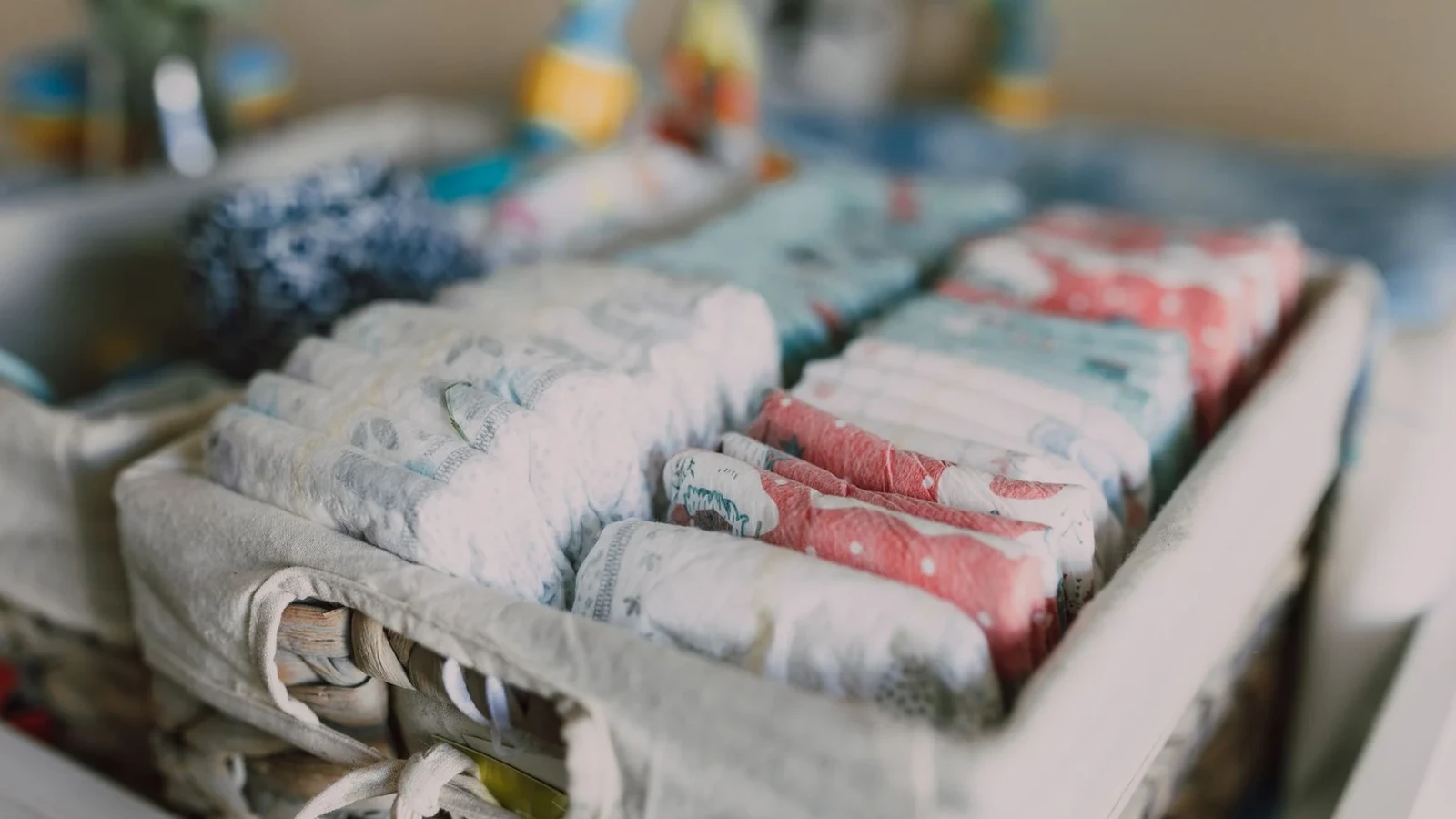
When someone asks for a new-baby gift, you are trying to be helpful under very compressed information. That is a hard place to be if you care about getting it right and not wasting the family budget.
So the first truth is this: the best gift is not always something for the baby. Sometimes it is the thing that reduces stress for adults at home, or simply cash support, or even no purchase at all. That is a complete answer.
Start with one-minute reality check
Before you think of products, ask one person one question: who is this gift for and what pressure is highest right now?
- The parent to be: Are they already receiving enough hands, sleep, and food support, or are they running on survival mode?
- The household: Do they have space, an established routine, and a similar item already?
- The registries: Is there a written list, or are they still deciding?
If you are allowed one purchase, buy only one clear category
Do not try to cover every possible need. Choose one category that solves a repetitive task and stop. A single useful action beats ten uncertain guesses.
- Support first: gift card to grocery, meal, or diaper/wipe budget if available.
- Essential replacement: one item the house truly does not have and is used daily (like backup sleep support tools).
- Consumable or service: a replenishable support option the family can use immediately.
What to buy: safe categories by need
1) If your goal is to reduce daily load
Early parenthood is mostly logistics. A gift that helps with food, cleanup, or routine consistency can be the biggest kindness.
- Meal or laundry support contributes more than one extra room accessory.
- Gift cards remove the duplicate problem and still leave full decision power to the family.
- Baby sleep support budget support can be better than random sleep gadgets if the baby already has a crib setup.
2) If the house needs one useful item
Use one rule: this item must remove an actual step the family repeats every day.
- Does this item save time or reduce setup friction?
- Is it age-appropriate and clearly safe for newborn use?
- Can another family member buy this later if the family changes their mind?
3) If you are unsure or already overwhelmed
Say no to guessing and choose a gift card or skip entirely. That is not a failure; it is good stewardship.
Who should skip buying this gift
Skip this gift: if you are guessing, if the family is already well stocked, or if safety fit is not clear.
Who should not buy: skip if you have not confirmed an exact list, if the item cannot be used immediately, or if it does not solve a daily load point.
Who should not buy this: people without registry clarity, or people shopping from a decorative shopping impulse.
Free alternative: offer help for one busy evening, meal support, or share an already-owned practical item if the family confirms fit.
Free or already-owned option: offer practical help for a shift, bring a meal, or pass along one useful item you already own after they confirm it works for their setup.
Do not buy anything if all three conditions happen:
- You do not know the current gear list.
- The family already has a lot of similar items.
- You do not know what storage or style will work.
In those cases, the best actions are free or already-owned options:
- Offer help instead of a gift, such as one practical hour for meal prep, laundry, or a night of cleanup.
- Use an already-owned item in your home that truly helps (a stroller blanket set, a baby-safe blanket, or a practical organizer) and ask the family first.
- Send a message saying, "Use this only if it solves a real need this week." That avoids a mismatch.
Safety checks before spending any money
These checks matter before you click buy.
- For sleep setup, official safe sleep guidance says babies should sleep on their backs on a firm surface with a fitted sheet, not with pillows, blankets, stuffed toys, or loose objects in the sleep area.
- The CPSC does not recommend crib bumpers because they increase strangulation and suffocation risk.
- For toys and gear, check age labeling, choking-hazard warnings, and any recall or warning updates from official channels.
If you are uncertain, ask two simple questions: Is this safe in the first days and weeks, and is this genuinely useful, not decorative?
A practical decision script
Use this flow before checkout and you will not overthink for long.
- Who needs this more: the baby or the adults caring for the baby?
- Does it solve a repeated problem, not a one-day problem?
- Is it safe and age-appropriate with current guidance?
- Can you justify only one purchase?
- If the answer is no to any question, give support instead of product.
What to avoid with newborn gifts
- Crib bumpers and similar products marketed for comfort or decoration.
- Random second-hand sleep pillows, inclined sleepers with unclear guidance, and products designed to change sleeping position.
- Decor-heavy items when the family is already full on baby basics.
- Everything on a long wish list if you cannot verify fit or safety quickly.
FAQ
Is it okay to buy nothing at all?
Yes. If there is uncertainty on fit, safety, or household needs, no-purchase is often the most useful option.
Should I always buy a baby item?
No. A gift card or practical support for the adults can help more, especially when routines are not established.
How do I avoid duplicate gifts?
Ask for one short list from a trusted family member before shopping and limit yourself to one item or gift card.
What is a safe default if I need to buy fast?
Choose a support gift or a clearly practical consumable if requested, and avoid anything that affects direct sleep safety.
You are not doing this alone
Real gift anxiety is common. If this helped, save it and share it so other people can stop overthinking one box at a time.
Tired Mom Finds
Need a calm, practical plan for next step
Weekly no-fluff guidance for life in the trenches and decisions made in real time.