Thanksgiving Break With Kids Home: A Week That Won't Wear You Out
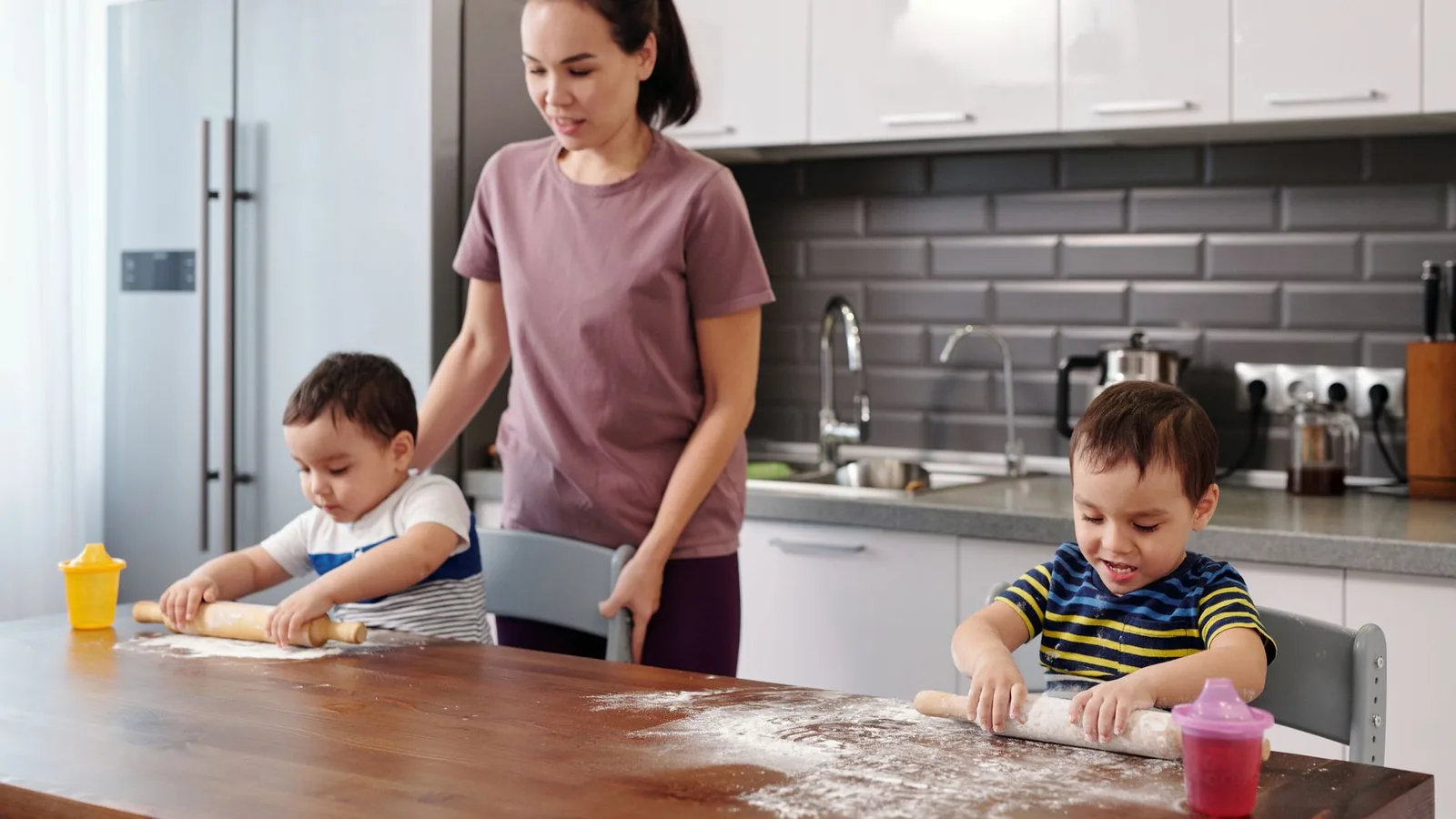
Thanksgiving break looks restful on the school calendar. Then it actually starts. The kids are home, the routine is gone, the grocery list is the length of your arm, and somehow you are also supposed to feel grateful and cheerful by Thursday afternoon.
If you feel tired just thinking about it, that is not a you problem. A week with no school, extra cooking and family expectations is a lot of work, and most of it tends to land on one person. This guide is about making the week lighter, not perfect.
Decide what this week is for
Before you plan a single activity, pick one or two things that would make the week feel good. Maybe it is one relaxed movie night, a walk on Friday, or simply getting to Thursday without snapping at anyone. Write them down somewhere you will see them. Everything else is optional.
This sounds small, but it changes how you say yes and no. When someone suggests a second big dinner on Saturday, or the kids beg for a trampoline park on Wednesday, you have something to check it against.
A loose shape for the week
Kids do better with some structure, and so do tired parents. You do not need a color-coded schedule on the fridge. A rough shape is enough:
- Monday and Tuesday: normal-ish days. Keep wake-up and bedtime close to school times. Get groceries and anything with a deadline out of the way early.
- Wednesday: prep day. Do whatever can be done ahead, like chopping, a dessert, or pulling out serving dishes. Give the kids real jobs here.
- Thursday: the day itself. Expect it to be long. Lower the bar on everything except the meal and a little rest.
- Friday and the weekend: recovery. Leftovers, pajamas, outside time, and a gentle return to school bedtimes by Sunday night.
Give the kids jobs, not just activities
It is tempting to keep kids busy and out of the kitchen. But kids of almost any age can help, and helping often keeps them happier than another round of screens. A few ideas by age:
- Toddlers and preschoolers: wash vegetables in a bowl of water, tear lettuce, put napkins at each seat, carry unbreakable things to the table.
- Elementary age: make place cards, measure ingredients, peel potatoes with a kid-safe peeler, set the table, be in charge of the music.
- Tweens and teens: own one side dish from start to finish, run the dishwasher between courses, keep younger cousins busy, handle the drink station.
Will it be slower? Yes. Will something get spilled? Probably. But it turns "keep the kids out of the way" into time together, and it takes a few jobs off your list.
Easy activities that do not need you every minute
At some point this week you will need the kids occupied so you can cook, clean or just sit down. These work without much setup:
- A thankful chain: cut strips of paper, have everyone write one thing they are thankful for each day, and link them together. By Thursday it is a decoration.
- A placemat art station with plain paper and crayons. The finished placemats go on the table for the big meal.
- A blanket fort that becomes the official holiday movie theater.
- A nature hunt around the block with a simple list: something red, something crunchy, a pinecone, a smooth rock.
- Audiobooks or kids' podcasts while they draw or build with blocks.
- For older kids: let them plan and run a family game after dinner.
Screens are fine too. A movie on Thursday afternoon while the turkey rests is not a parenting failure. It is how a lot of families get dinner on the table.
Make the big day smaller
A few choices take a surprising amount of pressure off:
- Cut the menu. Ask everyone which one dish they would truly miss. Make those. Skip or buy the rest.
- Say yes to help. When someone asks what they can bring, give a real answer: rolls, a pie, ice, drinks.
- Pick a mealtime that fits your kids. An early afternoon dinner can work better than holding hungry toddlers until six.
- Feed the kids something first. A hungry child at a long, fancy table is a hard combination.
- Plan for cleanup. Start the day with an empty dishwasher and put extra bags in the bottom of the trash can.
Protect a little time for yourself
This is the part most moms skip, and it is the part that decides how you feel by Sunday. Find something small each day that belongs to you: coffee before anyone else is up, a twenty-minute walk alone, a bath after bedtime, a chapter of a book. Tell your partner or another adult that you are taking it, and then actually take it.
If family time gets heavy, it is okay to step outside for a few minutes. Walking the dog or running out for more ice counts.
When it does not go to plan
Someone will melt down. The rolls might burn. A relative may say something that sticks with you for the rest of the night. None of that means the week was ruined. Kids remember the feeling of being together far more than whether the gravy had lumps.
On Sunday night, notice one or two things that went well and jot them down for next year. Then go to bed early. You earned it.
Keep this for a day when it helps
Save the guide or share it with someone who could use it.
Tired Mom Finds
More useful ideas for everyday mom life
Explore practical guides for family routines and time for yourself.