Instant Pot vs. Slow Cooker for Busy Weeknights: Which Fits Your Routine?
The right appliance is not the one with the longest feature list. It is the one that matches the moment you usually remember dinner—and the amount of attention you can still give it.
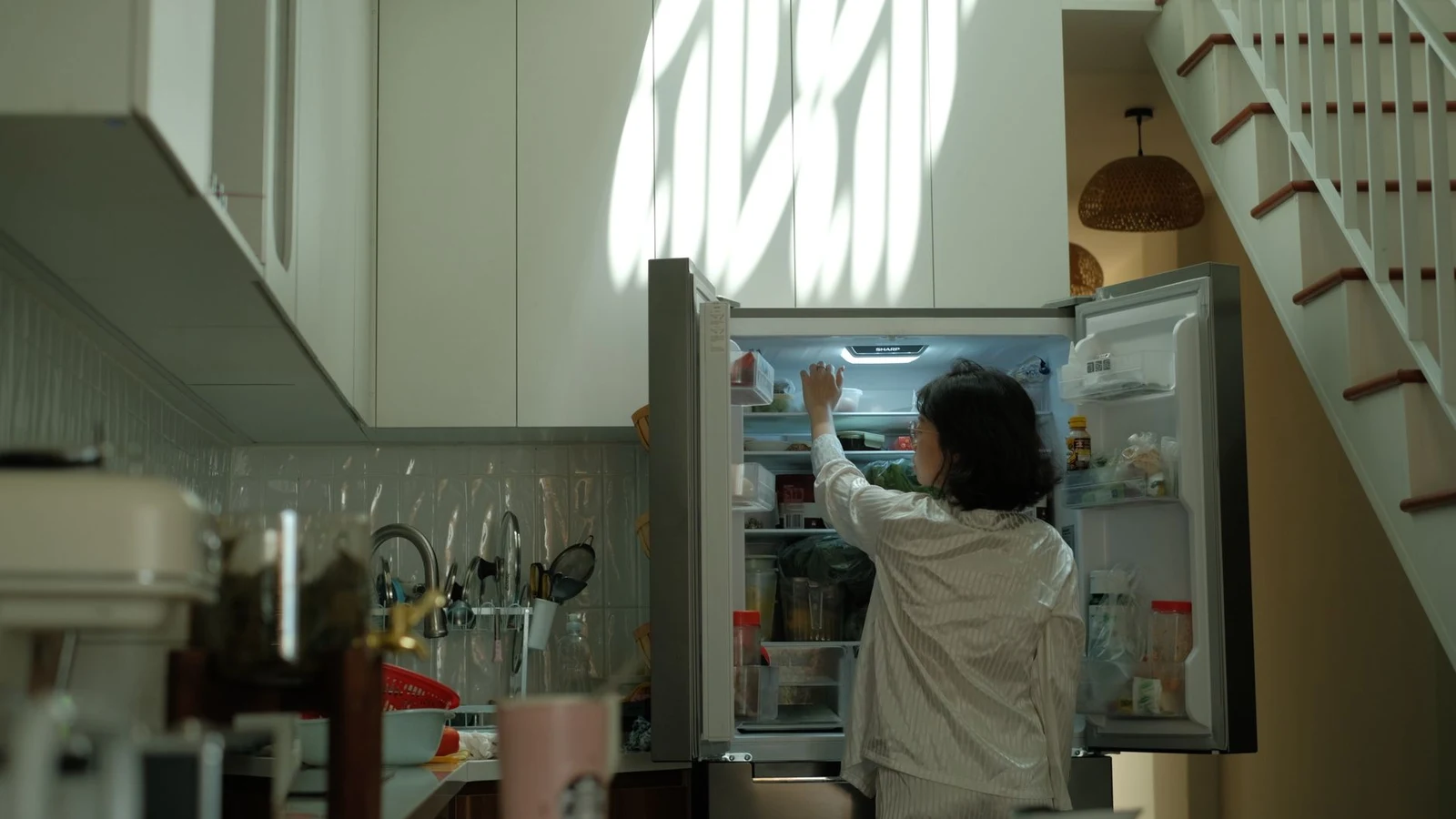
The short answer
Choose a slow cooker if you can realistically load dinner in the morning or around lunch, prefer familiar low-and-slow recipes, and want the work mostly finished before the late-afternoon rush.
Choose an electric pressure multi-cooker if dinner decisions often happen late, you want one pot that can sauté and pressure-cook, and you are comfortable following model-specific timing, liquid, and pressure-release directions.
Choose neither yet if your real bottleneck is deciding what to eat, thawing ingredients, or getting everyone to accept the same meal. An appliance cannot repair a missing meal plan—and a sheet-pan dinner, leftovers, or an assembly meal may create less friction.
That distinction matters because “busy” does not describe one routine. One parent has ten quiet minutes before school. Another discovers the chicken is still frozen at 5:30 p.m. One family wants tender shredded meat; another needs rice, vegetables, and a fast protein with fewer pans. Start with your decision time, not a viral recipe.
The two paths at a glance
| Decision | Electric pressure multi-cooker | Programmable slow cooker |
|---|---|---|
| When it fits best | You decide later and can actively set up, pressurize, cook, release, and finish the meal. | You decide earlier and want the appliance to cook while the day continues. |
| Cooking pattern | Faster pressure cooking plus model-dependent functions such as sauté, rice, steam, and yogurt. | Long, lower-temperature cooking with simple programmed time settings and automatic warming. |
| Attention required | More technique at the start and finish: enough liquid, sealing, pressure release, and recipe timing. | More planning early; less active work near dinner if the recipe and food-safety steps were handled correctly. |
| Good category fit | Beans, grains, soups, braises, and one-pot meals written for pressure cooking. | Soups, stews, chili, roasts, and other recipes designed for several hours of slow cooking. |
| Selected capacity | Instant Pot RIO: 6 quarts, described for up to six servings. | Crock-Pot Cook & Carry: 6 quarts, described for seven or more servings. |
| Cleanup | Removable stainless-steel inner pot and lid are listed as dishwasher-safe; sealing parts still need care. | Removable stoneware and glass lid are listed as dishwasher-safe; the base must stay out of water. |
| Main trade-off | The clock does not include every minute: pressurizing and releasing can add time, and the learning curve is real. | It cannot rescue a late start; safe preparation and enough cooking time have to happen earlier. |
Compare two current 6-quart options
Path 1: Instant Pot RIO 6QT
Best fit: Your dinner plan often comes together after work or school, and you would use pressure cooking plus other one-pot functions.
Instant Pot currently describes the RIO as a seven-function, six-quart multi-cooker with pressure cook, slow cook, sauté, steam, rice, yogurt, and keep-warm modes, plus 13 smart programs. The stainless-steel inner pot uses an anti-spin design, and the manufacturer lists the lid and inner pot as dishwasher-safe.
- It may reduce: switching between a sauté pan, rice cooker, and pressure cooker for compatible recipes.
- It does not remove: ingredient prep, pressurizing time, safe pressure release, recipe judgment, or cleanup.
- Skip it if: you dislike reading appliance directions, mostly cook hands-off morning-to-evening recipes, or already own tools that cover these jobs.
This article contains paid links. We may earn a commission if you buy through them, at no extra cost to you.
Path 2: Crock-Pot 6QT Cook & Carry
Best fit: You can prep before the late-day rush and want a dedicated slow cooker with programmed settings, automatic warming, and a locking travel lid.
Crock-Pot currently lists this Design Series six-quart model with four preprogrammed time settings, automatic keep-warm after the cook cycle, removable stoneware, a dishwasher-safe glass lid, and a locking lid intended to help with travel. The listed capacity is sized for seven or more people.
- It may reduce: active work at 5:30 p.m. when the meal was safely assembled and started earlier.
- It does not remove: morning prep, correct thawing and food handling, recipe timing, or serving-side cleanup.
- Skip it if: you rarely remember dinner before late afternoon, want faster cooking, or do not make slow-cooker recipes often enough to justify the storage.
What each path looks like on a real evening
Scenario A: you remember dinner at 7:15 a.m.
You have a thawed protein, a slow-cooker recipe your family already likes, and enough time to chop or use prepped ingredients. The slow cooker has the advantage because the work happens before the difficult part of the day. At dinnertime, you still check safe temperature, finish sides, and store leftovers—but the main dish is not starting from zero.
Scenario B: the dinner decision happens at 5:30 p.m.
You have ingredients suitable for a pressure-cooker recipe and enough attention to follow it. The multi-cooker has the advantage because slow cooking no longer fits the clock. Still, “pressure cooks for 10 minutes” does not mean dinner is ready in 10 minutes: ingredient prep, coming to pressure, release time, and finishing all count.
If neither scenario sounds like your house, do not force the purchase. Your better system might be a freezer inventory, three emergency meals, a recurring grocery list, or a visible dinner decision made the night before.
Run the total-friction test before buying
- Look back, not forward: Which time did you actually decide dinner on the last five weekdays?
- Count compatible meals: Name three meals your household already eats that fit the appliance. Ideas you may someday try do not count.
- Map the whole routine: Include thawing, chopping, liquid, timing, release, sides, storage, washing, and putting the appliance away.
- Measure the home: Confirm counter clearance, cabinet space, outlet access, and where hot steam can release safely.
- Check your current tools: A Dutch oven, rice cooker, stovetop pressure cooker, or existing slow cooker may already solve the job.
- Borrow the behavior first: Try the meal-planning pattern for a week. If early prep never happens, a slow cooker will not create it by itself.
A food-safety note worth keeping visible
Follow the appliance manual and a tested recipe for the exact cooking method. FoodSafety.gov advises starting a slow cooker immediately after preparation instead of holding raw ingredients in it at room temperature, using a food thermometer, and refrigerating leftovers within two hours. Its current guidance also recommends filling a slow cooker about one-half to two-thirds full and placing vegetables in first because they can cook more slowly than meat.
For pressure cooking, use the required liquid, keep steam vents clear, and follow the manufacturer's instructions for natural or quick release. Never force a pressurized lid. Appliance convenience is only useful when the routine stays safe.
Our honest decision
There is no universal winner. The Instant Pot RIO is the stronger fit for a household that often starts later and will genuinely use several cooking functions. The Crock-Pot Cook & Carry is the stronger fit for a household that can prep earlier and wants dinner-time handoff more than speed.
The premium choice may also be not buying. If you cannot name the meals, storage spot, and exact point of friction the appliance will remove, keep the money and test a smaller routine first.
Research notes
This comparison was researched on July 19, 2026 from current first-party manufacturer information, retailer listings, and U.S. government food-safety guidance. Tired Mom Finds has not personally tested either selected product. Product pages establish listed features and care instructions—not how an appliance will perform in every kitchen.
FAQ
Is an Instant Pot or slow cooker better for busy weeknights?
Choose a slow cooker when morning preparation is realistic and you want the main dish ready near the end of the day. Choose an electric pressure multi-cooker when the dinner decision usually happens later and you will use its faster pressure-cooking and one-pot functions.
Can an Instant Pot replace a slow cooker?
A multi-cooker may include a slow-cook function, but that does not make every recipe, control pattern, or result identical to a dedicated slow cooker. Compare the exact model and adapt recipes to the manufacturer's instructions.
Which one has less cleanup?
Both selected models list removable dishwasher-safe cooking components, but cleanup depends on the meal. A multi-cooker can reduce extra pans if you sauté and cook in one pot; a slow cooker can reduce dinner-time work when the meal was assembled earlier.
Make the decision before the hard part of the day
Save this comparison, then notice what time dinner really starts in your house this week.
Tired Mom Finds
Get practical, realistic routines for busy days
Weekly no-fluff tips for calmer mornings, simpler evenings, and less mental load.