How to Organize Kids’ Artwork and School Papers Without the Guilt
Practical help for how to organize kids artwork and school papers with concrete, realistic steps for busy moms.
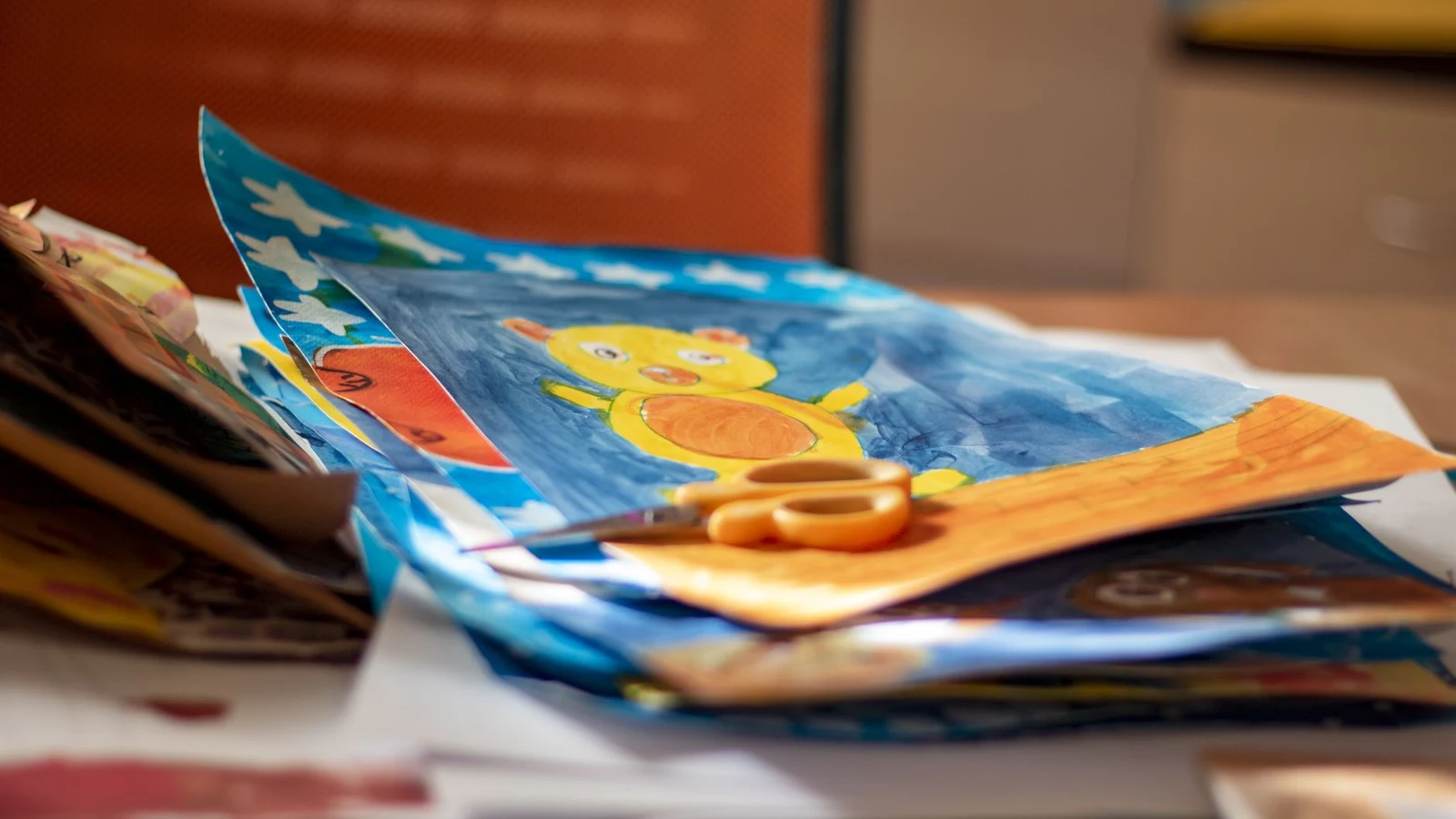
You are not behind on home systems. You are running a real household, and practical defaults are enough.
If you have a pile of crayon drawings, permission slips, and “important” papers living on your counter (or shoved in a tote in the closet), you are not alone. I used to think I had to keep everything to be a “good mom,” and it made the clutter feel weirdly emotional. This is a realistic, no-guilt way to handle how to organize kids artwork and school papers, even if you only have 10 minutes and a tired brain.
Start with one small zone (because the whole pile is too much)
When I try to “organize all the school papers,” I end up reading every note like it’s a scrapbook moment and then I quit halfway through. What actually works is choosing one small zone and doing a fast reset. For example, I’ll clear just the counter by the mail, because that’s where the artwork and school flyers breed overnight. Ten minutes is enough to make it feel lighter without turning it into an all-day project.
- Pick one spot: the kitchen counter corner, the backpack dump area, or the top of the fridge
- Set a 10-minute timer and only touch what’s in that zone
- Make a quick “keep for now” stack so you’re not deciding everything today
Use a simple sorting rule: action, memory, recycle
This is the only sorting system I can remember when I’m hungry and someone is asking for a snack. If it needs you to do something, it’s “action.” If it makes you smile and you can picture saving it, it’s “memory.” Everything else is recycle. The guilt usually shows up in the recycle pile, so I remind myself: keeping everything doesn’t honor their work. It just buries the best parts.
- Action: anything with a deadline (forms, spirit week, book fair, conference notes)
- Memory: a few special pieces you actually want to keep (not all 47 drawings of the same cat)
- Recycle: the rest, including duplicates and random half-sheets
Set up a “paper landing spot” that matches real life
If backpacks land by the back door, that’s your paper headquarters, even if Pinterest says it should be a cute command center in the hallway you never use. The goal is to stop papers from migrating across the house. I like one kid spot each (so their stuff doesn’t blend into a mystery pile) and one shared “action” spot for anything I need to sign or remember this week.
- Choose a spot near where backpacks actually get dropped
- Have one container for each kid (even a simple folder works)
- Add one shared spot for “action this week” papers
Keep the best artwork without storing all of it
This is the part that gets me, because the scribbly little drawings are so sweet in the moment. What helps is having a limit that makes the decision for you. I’ll keep one favorite piece from the week, scribble the date on the back, and add a tiny note like “You made this while I cooked spaghetti and you told me it was a dragon.” For the rest, a fast phone photo lets me release the paper without feeling like I’m tossing the memory.
- Pick a small limit: one “favorite of the week” or a set number per month
- Write the date and a quick note on the back (one sentence is plenty)
- Take a quick photo of the rest if you’re not ready to let it go
Create a “school year file” so papers stop piling up
I used to end the school year with a trash bag of papers and no idea what mattered. Now I try to keep a simple “school year file” and drop in a few highlights as we go. It’s not fancy. It’s just a way to keep the meaningful stuff from getting crushed under 100 newsletters and math worksheets.
- Make one folder (or section) for each grade or school year
- Save only the highlights: class photo, a few work samples, report cards, awards
- Do one quick drop-in each month instead of a big end-of-year scramble
Have a 5-minute weekly reset (so it doesn’t explode again)
The secret is not organizing perfectly. It’s doing tiny resets often enough that the pile never becomes a monster. We do a quick backpack empty on Fridays. I recycle the obvious trash, move any “memory” papers to the keep spot, and put forms where I’ll see them. If I wait until I have “time,” it never happens.
- Pick an easy time: Friday after school or Sunday night
- Empty backpacks, toss junk papers, and move “memory” pieces to the keep spot
- Put action items where you will actually see them
You've Got This, Mama
If organize kids’ artwork and school papers without the guilt has felt heavier lately, you are not doing anything wrong.
Small, repeatable steps count, especially on the messy days when everything feels loud.
Tiny next step: Pick one 5-minute step from this post and do only that today.
FAQ
How do I organize kids artwork and school papers if I’m already behind?
Start with today forward. Set a 10-minute timer, sort the current pile into action, memory, and recycle, and then set up a simple landing spot. If you have an older backlog, tackle it in small batches later. You do not have to fix years of paper in one weekend.
How much kids’ artwork should I keep?
Only what you truly love and what tells the story of the year. A simple rule is one favorite piece per week or a small set number per month. Limits are not mean. They make it possible to actually store the special stuff instead of drowning in it.
What should I keep from school papers?
Keep things that show growth or matter long-term: class photo, a few work samples, report cards, awards, and anything you know you’ll want to read later. Most day-to-day worksheets and flyers can be recycled once you’ve checked for action items.
How can I stop papers from taking over the kitchen counter?
Give papers a home right where they enter the house. If backpacks get dropped by the back door, put the paper landing spot there. When the “home” is convenient, you’re much more likely to use it on a busy day.
I feel guilty throwing things away. Any tips?
Try keeping the best, not the most. You’re not throwing away your child’s childhood. You’re making space to notice the pieces that really matter. If it helps, take a quick photo first so you can let go of the paper while keeping the memory.
You are not doing this alone
If this helped, save it for later or share it with another tired mom who needs one easy win today.
Tired Mom Finds
Get practical, realistic routines for busy days
Weekly no-fluff tips for calmer mornings, simpler evenings, and less mental load.