School Lunch Prep When the Lunchbox Comes Home Full
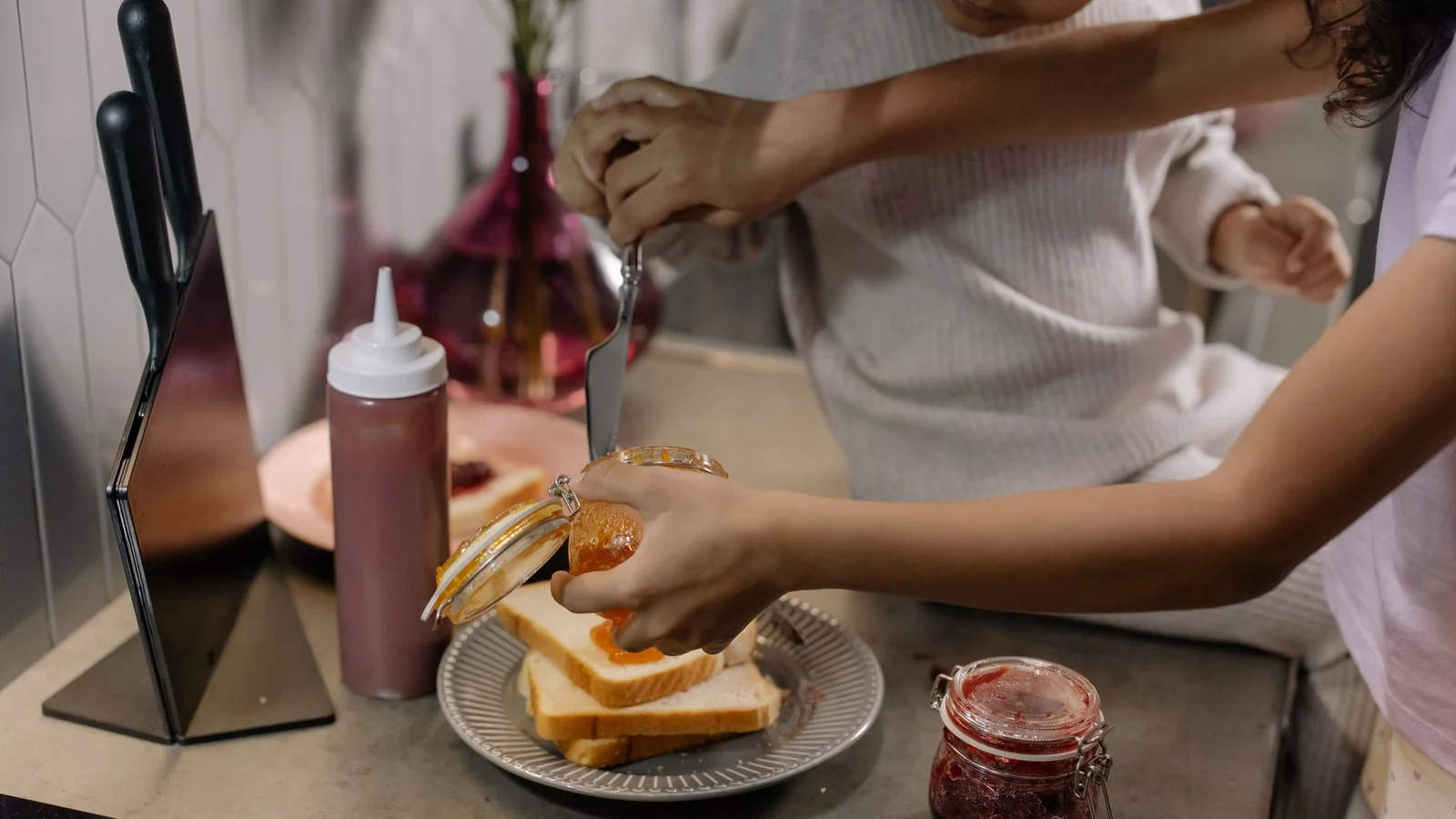
If school lunch keeps coming home uneaten, check the container, the eating time and the packed food before making another menu or buying another lunchbox. Then repeat a lunch your child can manage while you find out which part needs changing.
That does not guarantee an empty box. It gives you a smaller problem to solve than “lunch is not working,” especially when September routines are still settling in.
First, find out what happened at lunch
A nearly full box cannot tell you whether a child disliked the meal, could not open it, ran out of time or ate something else. Start with a neutral question: “Can you show me what lunchtime was like today?”
Try the actual bag and containers at home. Let your child unzip the bag, open the main container, reach the food, open the drink and close everything again. Watch for one sticking point. You are checking the equipment, not testing your child.
Parents have raised these exact practical problems in public discussions: packaging that a kindergartener cannot open and uncertainty about separating lunch from snack. Those experiences are individual examples, not a survey of all families. Container-opening discussion; lunch-and-snack question.
Ask the school how lunch and snack are handled, where food is stored, whether children can get opening help, and how much time they have once seated. The CDC distinguishes the whole lunch period from actual eating time and recommends at least 20 minutes of seat time. That recommendation is not a promise about your child’s schedule. CDC: Time for Lunch.
Change one thing tomorrow
| What you noticed | A small adjustment to try |
|---|---|
| Your child cannot open the latch or wrapper | Use an easier container you already own, if suitable, and practice with that exact setup. |
| Lunch gets eaten at snack time | Pack snack separately or label it the way the school requests. |
| The food is familiar, but the packed texture is different | Try a safely stored version at home and ask whether that texture is one your child wants at lunch. |
| There is little time after opening everything | Reduce separate packages and keep the meal straightforward; ask the school about available help. |
| You do not know whether your child ate the school meal | Check what was served and ask your child or school before changing the packed lunch. |
| The meal needs reheating, but none is available | Choose a lunch your child accepts cold, or check whether a properly packed hot-food container fits the school routine. |
Keep the rest of the lunch familiar while you try the adjustment. Otherwise it is hard to tell whether a new recipe, different container or different portion made the useful difference.
Make a two-lunch plan with what you already buy
Write down two familiar lunches and one backup. You do not need five different recipes. Use this short planning note:
- Lunch A: a familiar main, the sides your child usually eats, and a drink.
- Lunch B: a second familiar combination that fits the same bag.
- Backup: an easy option that follows the school’s rules; this may include the school meal if it suits your family.
- Separate snack: only if the school asks for one, packed so your child can identify it.
Choose food and portions for your child, their school’s allergy rules and any individual guidance you follow. This is a packing routine, not a prescribed menu.
Keep one written note where whoever packs lunch can see it. If a lunch is working, repeat it. Save experimenting for a time when you can hear what your child thinks without the morning deadline.
Split the work between evening and morning
In the evening: choose the next lunch, wash the containers, put utensils beside the bag and prepare food that can be safely refrigerated. Keep cold items in the refrigerator overnight. A shelf or existing container can mark the lunch area; you do not need matching bins.
Before leaving: transfer chilled food to the bag, add the cold sources, check for the drink and any separate snack, and close it up. USDA recommends at least two cold sources with perishable packed food; an insulated lunch bag alone does not do that job. If school refrigeration is available, follow the school’s storage process. USDA: Keeping Bag Lunches Safe.
After school: empty and clean the lunch gear, put reusable cold packs back in the freezer, and note any problem to fix. USDA advises discarding leftover food after lunch; do not turn perishable food that has traveled home into tomorrow’s packed meal. The same USDA packed-lunch guidance explains why packing an amount likely to be eaten makes leftovers easier to manage.
Batch prep does not mean a week of refrigerated leftovers
For cooked leftovers, USDA gives a refrigerator window of 3 to 4 days. Refrigerate promptly, using shallow containers for larger quantities; hot food can go directly into the refrigerator. You do not need to leave it on the counter until completely cold. Freeze portions you will not use within the recommended window. USDA: Leftovers and Food Safety.
A manageable plan is to prepare a few early-week portions, then use a fresh or appropriately thawed option later in the week. Label preparation dates so the next person packing lunch does not have to guess.
For a hot lunch, USDA recommends preheating an insulated food container with boiling water, emptying it, adding piping-hot food and keeping it closed until lunch. Hot food should remain at 140°F or above. Handle the boiling water yourself and check that the setup works with the school’s routine. USDA: Keeping Bag Lunches Safe.
When a different lunchbox is worth considering
A replacement may help if the current container leaks, cannot fit the food and required cold sources, or is difficult for your child to open even after practice. Write down that specific problem before shopping.
Then check the practical details: fit inside the bag, opening mechanism, cleaning instructions and what the product actually keeps separate. “Bento” describes a style of container; it does not establish that a particular box meets your child’s needs.
We have not tested lunchboxes for this guide, and it contains no product recommendations. Start with the equipment you own. The back-to-school skip list can help with the rest of the school shopping decisions.
Common school-lunch questions
Can I prepare school lunch the night before?
Yes. Keep perishable prepared food refrigerated, then pack it with cold sources before leaving. Put the empty bag and dry supplies together the night before if that makes the morning easier.
What if my child likes the same lunch every day?
You can use a familiar lunch as the starting point for this routine. Repeating the packing plan reduces what you have to organize; it does not mean you have to stop offering other foods at other times.
Do I need an air fryer for school lunch prep?
No. Choose the food and storage plan first. If you already use an air fryer to cook a component, it is just one preparation tool. Our school-lunch air-fryer comparison is for families whose actual problem is cooking capacity.
What should I do if the lunch still comes home full?
Compare notes with the school before buying more equipment or adding more recipes. If you are concerned about your child’s overall eating or health, take that concern to their clinician; a packing routine cannot assess it.
For tomorrow, choose one familiar lunch, check that your child can open it, and confirm the school’s snack and storage instructions. That is enough to make the next attempt more informative.
You are not doing this alone
If this helped, save it for later or share it with another tired mom who needs one easy win today.
Tired Mom Finds
Get practical, realistic routines for busy days
Weekly no-fluff tips for calmer mornings, simpler evenings, and less mental load.