Laundry Stain Remover Spray vs Gel vs Wipes: Which Format Fits?
The best format is the one you will use before the stain disappears into the hamper. Match the product to where the spill happens and when the next wash will run.
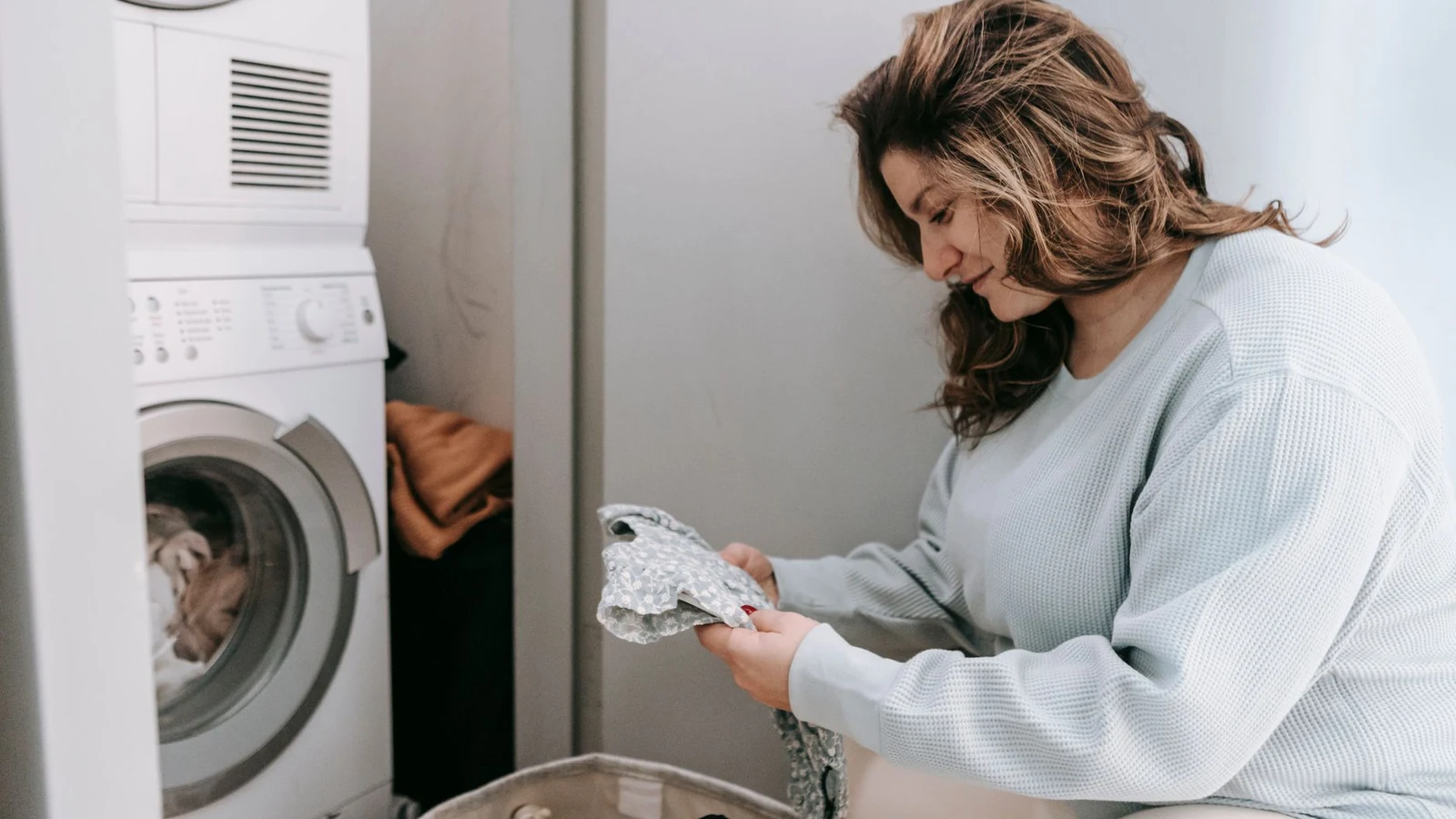
Family laundry problems often start before the washer: tomato sauce lands at dinner, grass shows up after practice, or coffee reaches a shirt in the car. A shelf full of stain products does not fix that timing problem. The useful question is simpler: where can the treatment live so an adult will use it safely before the item gets washed and dried?
The American Cleaning Institute advises treating stains before they dry or set, reading the garment care label, and choosing a treatment that matches the stain and fabric. That makes the spray-versus-gel-versus-wipe choice less about a universal winner and more about routine fit.
The quick answer
Choose a trigger spray for frequent, ordinary washable-fabric stains near the hamper or washer. Choose a thick gel when stubborn or set-in stains are the recurring problem and you will rub in the product and respect its wait time. Choose portable wipes for restaurant, travel, work, or car spills that need immediate attention away from the laundry room.
Skip the extra format when an existing pretreatment already fits your routine. None of these products makes every fabric or every stain safe to treat.
Spray vs gel vs wipes at a glance
| Decision | Trigger spray | Thick gel | Portable wipes |
|---|---|---|---|
| Best moment | At the hamper or washer | At a sink or stain station with time to rub and wait | Right after an out-of-home spill |
| Best recurring problem | Food, grass, dirt, and other everyday marks on compatible washable fabric | Stubborn or set-in stains that need focused saturation | Small fresh spills when no bottle or wash cycle is nearby |
| Routine advantage | Fast coverage and one-handed targeting | Thicker product stays focused on a smaller area | Individually wrapped and easy to keep in a bag |
| Main trade-off | Easy to overspray and still requires rubbing or washing as directed | More hands-on; must follow fabric and dwell-time limits | More packaging per treatment and not meant for every surface or stain |
| Buy again when | The trigger is used consistently and the family sees frequent washable stains | Set-in stains are common enough to justify a second home format | The travel pack is actually used before it expires or dries out |
Three current formats, matched to different moments
1. Shout Triple-Acting trigger spray
Best fit: Everyday food, grass, dirt, or similar stains appear regularly on colorfast machine-washable family clothes, and the bottle can live in a locked laundry cabinet near the hamper.
Shout currently says the trigger formula clings, penetrates, and lifts; begins breaking down stains in less than five minutes; and can be applied up to one week before washing. Its directions say to spray, rub in, wait one to five minutes, and wash according to the garment care label.
- Why it earns the default spot: broad coverage with a familiar trigger makes the first action obvious.
- Check before buying: the exact bottle size, scent, seller, current directions, and whether a refill fits the trigger you own.
- Main trade-off: a spray pattern can cover more fabric than a focused gel, and it is still a pretreatment—not a substitute for reading the care label.
This article contains paid links. We may earn a commission if you buy through them, at no extra cost to you.
2. Miss Mouth's Messy Eater Stain Treater Spray
Best fit: The repeated problem is a stubborn stain that has already sat, and an adult will saturate it, rub the gel into the compatible fabric, and wait before washing.
Shout describes this as a super-concentrated thick gel made for stubborn set-in stains. Current directions say to saturate, rub thoroughly, wait at least five minutes when possible, allow overnight penetration for heavy-duty stains, and then launder in the warmest water the fabric will accept. The product page says treatment can occur up to a week before washing.
- Why it can beat another spray: the thick format supports a focused set-in-stain routine instead of covering a broad area.
- Check before buying: whether the garment is colorfast and machine washable and whether its care label permits the directed water temperature.
- Main trade-off: it asks for more rubbing and wait-time discipline; a bottle bought for rare stains may simply crowd the cabinet.
3. Shout Wipe & Go
Best fit: Coffee, food, makeup, or dirt spills happen away from home often enough that a sealed wipe in a work bag, diaper bag, suitcase, or car kit will be used promptly.
Shout currently lists each wipe as individually packaged and portable, with a textured double-sided cloth. Its directions say to remove excess material and work from the outside of the stain toward the center. The manufacturer specifically says not to use the wipes on upholstered home furniture and advises testing delicate fabrics in a hidden area.
- Why it earns a travel spot: immediate access can matter more than owning the strongest home bottle after the stain has dried.
- Check before buying: package count, current storage condition, seller, expiration or drying risk, and the exact label precautions.
- Main trade-off: individual packaging and limited surface fit make wipes a targeted convenience, not the economical default for every load.
Run this one-week stain audit before reordering
- Count the actual stains. Note what stained, where it happened, and whether the item reached the wash before drying.
- Separate home from away. A car or restaurant problem points to portability; a hamper problem points to placement at home.
- Check the garments. Record colorfast washable basics separately from delicate, dry-clean-only, leather, wool, silk, or unknown fabrics.
- Notice timing. Frequent same-day washing favors a simple spray station. Delayed loads may justify a label-approved longer treatment window.
- Use what you own. If the current pretreatment handles the recurring category and gets used consistently, reorder it instead of adding another format.
- Define the stop rule. A product that sits unused for two refill cycles loses its place in the cabinet.
Build a safer two-location routine
At home: one locked stain station
Keep the selected bottle in its original container, locked or latched out of children's sight and reach, with a small washable brush or cloth only if the product directions call for it. Put a simple fabric-safe marker or clip near the hamper so a stained item does not vanish into the pile untreated.
Away from home: one sealed travel pocket
If wipes make sense, keep a small number in a specific adult-controlled pocket. Do not scatter loose packets through child-accessible bags, seat pockets, or toy bins. Replace dried or damaged packets instead of assuming they remain usable.
At wash time: verify before heat
Follow the garment care label and the product directions. Check the treated area after washing and before machine drying; heat can make an unresolved stain harder to address. When the stain source or fabric is uncertain, stop experimenting and use qualified professional guidance.
Safety boundaries matter more than format
Poison Control advises keeping laundry products in their original containers and out of children's sight and reach. Stain removers and pretreatments can irritate skin, eyes, or the mouth. Never mix products, never treat a garment while someone is wearing it, and use the exact package directions.
- Do not assume “colorfast” without checking the garment and testing as directed.
- Do not use a clothing wipe on upholstered furniture when the label excludes that surface.
- Do not move cleaner into a drink bottle, unmarked spray bottle, or decorative jar.
- Do not combine stain remover with bleach, rust remover, ammonia, vinegar, or another cleaner.
- If exposure occurs, follow the label and contact Poison Control at 1-800-222-1222 in the United States for product-specific guidance.
The 10-minute laundry-friction reset
- Remove expired, leaking, unlabeled, or duplicated products from active use and handle disposal according to their labels and local guidance.
- Choose one home format from the audit: spray for frequent everyday stains or gel for recurring set-in stains.
- Place it in a locked cabinet near the real sorting point—not on top of the washer.
- Put a washable “treat before wash” clip or small tray beside the hamper.
- Add travel wipes only if out-of-home stains were observed during the audit.
- Write the reorder threshold where adults can see it: replace when one-quarter remains, not after the next spill.
The point is not a beautiful laundry shelf. It is a visible, repeatable handoff from stain discovery to safe treatment to wash-day verification.
Our honest decision
A trigger spray is the best default for most family laundry rooms because it handles frequent everyday washable stains with the least decision friction. Choose the gel instead when stubborn set-in stains are the repeating problem and the household will follow the longer treatment routine.
Wipes are an add-on, not a third required purchase. They earn a place only when real out-of-home spills repeatedly go untreated. If the family already uses one effective pretreatment at the right moment, the premium decision is to reorder that product—not create a collection.
Research notes
This guide was researched on July 19, 2026 from current first-party Shout directions, American Cleaning Institute laundry guidance, Poison Control safety guidance, and current Amazon destinations. Tired Mom Finds has not personally lab-tested the products and does not claim that one formula removes every stain.
FAQ
Is stain remover spray or gel better?
Spray is usually the simpler default for frequent everyday stains and quick coverage. A thick gel can make more sense for a stubborn set-in stain when its label supports a longer treatment window. The right choice still depends on the garment care label and the exact product directions.
Are stain remover wipes a replacement for laundry pretreatment?
Portable wipes are designed for immediate treatment away from the washer. They are a convenience format, not an automatic replacement for the wash step or for a home pretreatment product when the garment still needs laundering.
Do I need all three stain remover formats?
Usually no. Choose one home format that fits the stains and wash timing you see most often. Add a portable wipe only when out-of-home spills happen often enough to justify individually wrapped supplies.
Choose the treatment location before the bottle
Save this guide, audit one real week of stains, then reorder the one format your household will actually use.
Tired Mom Finds
Get practical, realistic routines for busy days
Weekly no-fluff tips for calmer mornings, simpler evenings, and less mental load.