Best Toddler Blanket for Sleep
Short answer: for many toddlers, the biggest win is not a new blanket, it is a better fit between age, sleep setup, and room temperature.
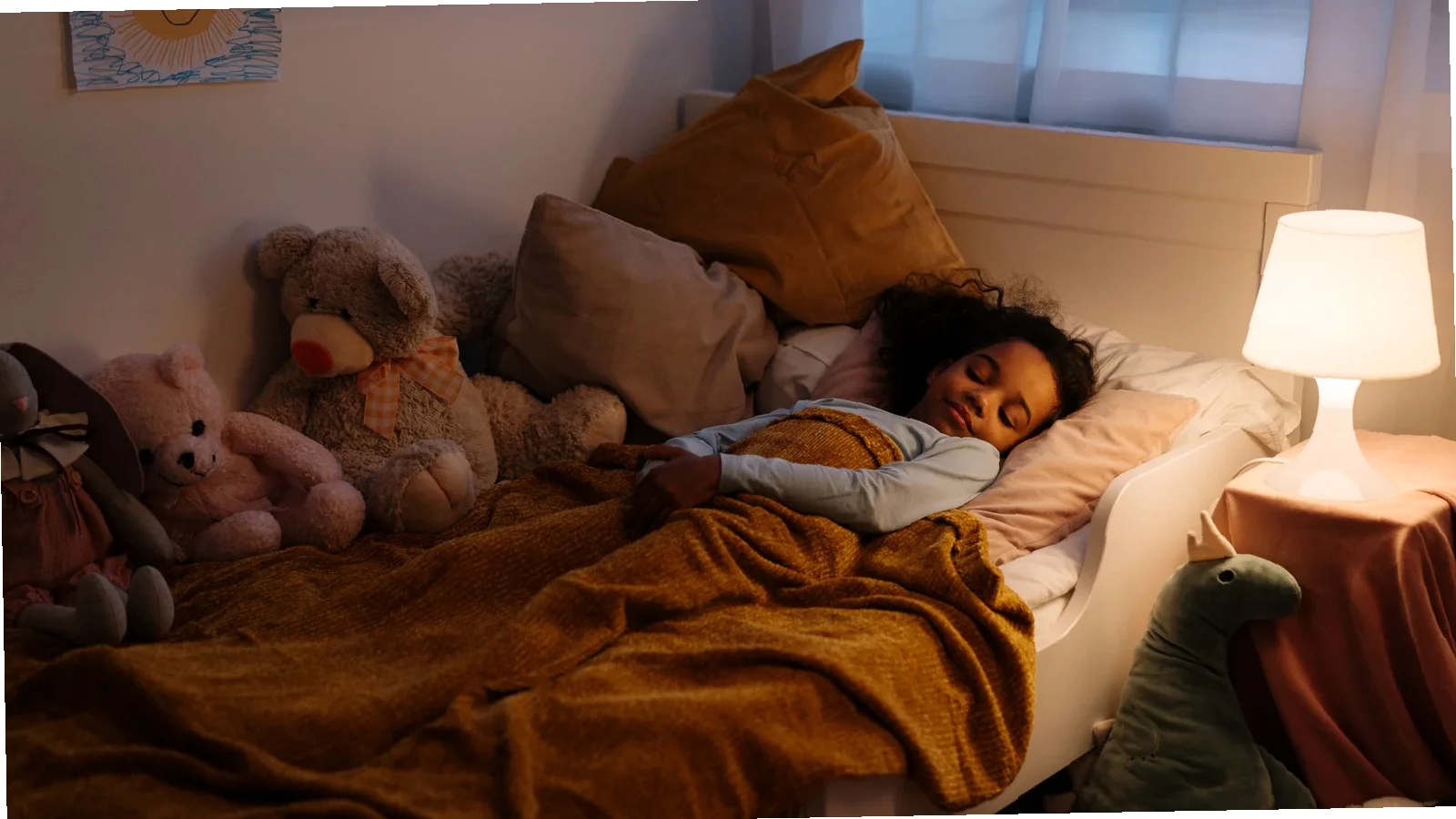
You are not failing if bedtime is weird. Most toddlers get better at moving, testing, and temperature-checking every day in their first few years. Your job is not perfect sleep physics. Your job is to reduce the chaos around sleep so your toddler knows the boundary between “bedtime” and “full family chaos.”
Who this page is for (and why you are not starting from zero)
If your child is around 1 to 3 years old and you are asking this at 10 p.m., you are probably already trying all the obvious basics:
- keeping routine regular,
- keeping lights down,
- keeping the room from feeling like a sauna,
- and deciding whether blankets help or hurt.
Skip this purchase if your toddler already has a familiar sleepwear option and is not waking every night; use what you own first, then adjust routine and room temperature only.
This page helps you stop guessing and stop buying in panic.
First rule: what “infant safe sleep” instructions apply, and what changes after infancy
The first year is the high-risk window for loose sleep surface risks, and the CDC and AAP guidance reflects that. At that age, both CDC and AAP still push a very clear line: in that baby stage, sleep surface rules are tighter and blanket policy is strict.
- The CDC says soft bedding and pillows are part of the risk list for infants and says wearables (like sleep sacks) are a safer option for that stage.
- AAP publications emphasize that those recommendations and most cited safe-sleep details are for babies up to 1 year.
- Even in pediatric sources, the practical line is the same: if you are under 12 months, use the baby-stage rules, not toddler assumptions.
So your first decision is not “which blanket is softest.” It is: is this still my baby-stage setup? If your child is still under the one-year rule, start there and avoid guessing.
After 12+ months: what is realistically safe and useful
For older toddlers, the guidance in practice is less absolute, with pediatric sources noting that experts generally see less risk from loose objects than in infancy, while also warning that this is not a guarantee. What that means for you:
- Loose blankets can still be risky in messy scenarios, but they are usually not treated as a default prohibition the same way after infancy.
- The “best” path is usually a lightweight setup that minimizes face coverage and doesn’t create a pull-up, tuck-up, or trip-up problem.
- If the room and routine are set right, many toddlers do better with fewer, lighter layers than a thick throw.
That sentence is the whole point: you can still keep a blanket in the bedtime environment, but you should buy or keep only what removes a real problem.
Blanket fit checklist before you spend anything
Run this in under two minutes tonight:
- Temperature first. If your toddler wakes hot, sweaty, or restless, fix layers, fan speed, or room airflow before buying anything.
- Shape second. Any blanket you use should be light enough that it can stay loosely around their body, not around the face.
- Security third. No long cords, drawstrings, dangling tags, or heavy hems that can pull.
- Use second. Try an already-owned sleepwear option first if it is clean and season-appropriate.
- Replace after one failure. If one setup doesn’t improve two nights in a row, skip it and choose a different method. Don’t “hope it gets better” for a week.
At this stage, most families solve 60% of the issue before they buy anything.
No-buy path: who should skip this purchase
The honest default for this query is: do not buy first. Pick an existing option and verify it instead.
- If your toddler wakes once or twice in the night but is otherwise safe and calm, skip a purchase and make only one environment change first.
- If your toddler already has a lightweight pajamas set or a stable, familiar bed spread that already stays off the face, use that before spending.
- If your child is under 12 months, use infant-safe sleep guidance first and do not buy a toddler sleep blanket decision as the first lever.
- If you cannot supervise the blanket consistently, skip adding a new blanket style and stabilize routine, temperature, and room setup first.
Buy only when you have one clear indicator that this is the missing piece after a no-buy trial.
How to pick a toddler blanket type when one is truly needed
If your child wakes with chills, has skin sensitivity, or you are in a cold bedroom, use a concrete category choice instead of guessing product names.
- Use a lightweight throw or fleece blanket only if it has stable edges and won’t drag under the neck.
- Use a small sleep sack / footed style if your goal is to avoid blanket management, but check any labeling and size guidance before use.
- Use a regular blanket system only as the final fallback if your child already sleeps reliably with blankets and you can supervise night coverage safely.
For any sleepwear-like fabric you keep on a child, the flammability and fit standard for children’s sleepwear is not optional trivia. CPSC defines coverage for children’s sleepwear through about size 14, and those definitions are exactly why tag details matter before purchase.
What to keep, what to skip
Keep what already works: if a fitted pajama set plus a light, familiar blanket is already calming and safe in your house, that is the “best” setup for now.
Skip for now if: you cannot easily confirm flammability labeling, you are only hoping the blanket will fix waking, or the blanket gets caught in your nightly routine.
If your child already has safe sleepwear and a usable old bed spread, buy nothing this week. Use the checklist and run one pattern change at a time.
Three-night no-buy test
Before buying anything:
- Night 1: one-room adjustment (remove one layer, close the extra blanket, set one new routine phrase).
- Night 2: same routine, same room temp, same bedtime window.
- Night 3: same again; if there is no change, then choose your next lever.
If you changed routine and bedtime and still have the same wake-up pattern, then a blanket-type decision is warranted. Otherwise, save money and skip.
You’re solving the right thing first
You don’t need a luxury blanket to get a meaningful improvement in toddler sleep. You need one clear variable, one safer routine, and a stop-light rule for when to keep or skip the purchase.
Tiny next step: Run the blanket fit checklist and test three nights without spending anything.
FAQ
Do toddlers still need blankets if we already used one in infancy?
Not by default. The stage logic is different after the first year, but the question is still the same: does this blanket reduce wake-ups without creating a safety problem in your setup?
What is the biggest sign that the blanket is not the right fix?
Repeated wake-ups that continue after you set one simple setup usually point to heat, nap timing, or over-tension in the routine, not the fabric itself.
Should I buy a new blanket right away?
Usually no. Start with a no-buy test for three nights, then buy only if there is still a clear, measurable issue you cannot solve with setup changes.
Can I use an old family throw for toddler sleep?
Only if it is lightweight, clean, stable around the body, and doesn’t create sliding or facial coverage problems. A blanket that is too heavy or too long is usually not worth the risk.
How do I choose safe sleepwear for toddlers?
Check labels and size ranges carefully. CPSC defines children’s sleepwear standards by age-size categories, and fit is part safety as much as comfort.
You are not doing this wrong
If this helps, save it for the night when everything feels off by one blanket and one habit.
Tired Mom Finds
Get practical routines for messy, repeated nights
Simple changes, less friction, fewer panic buys.